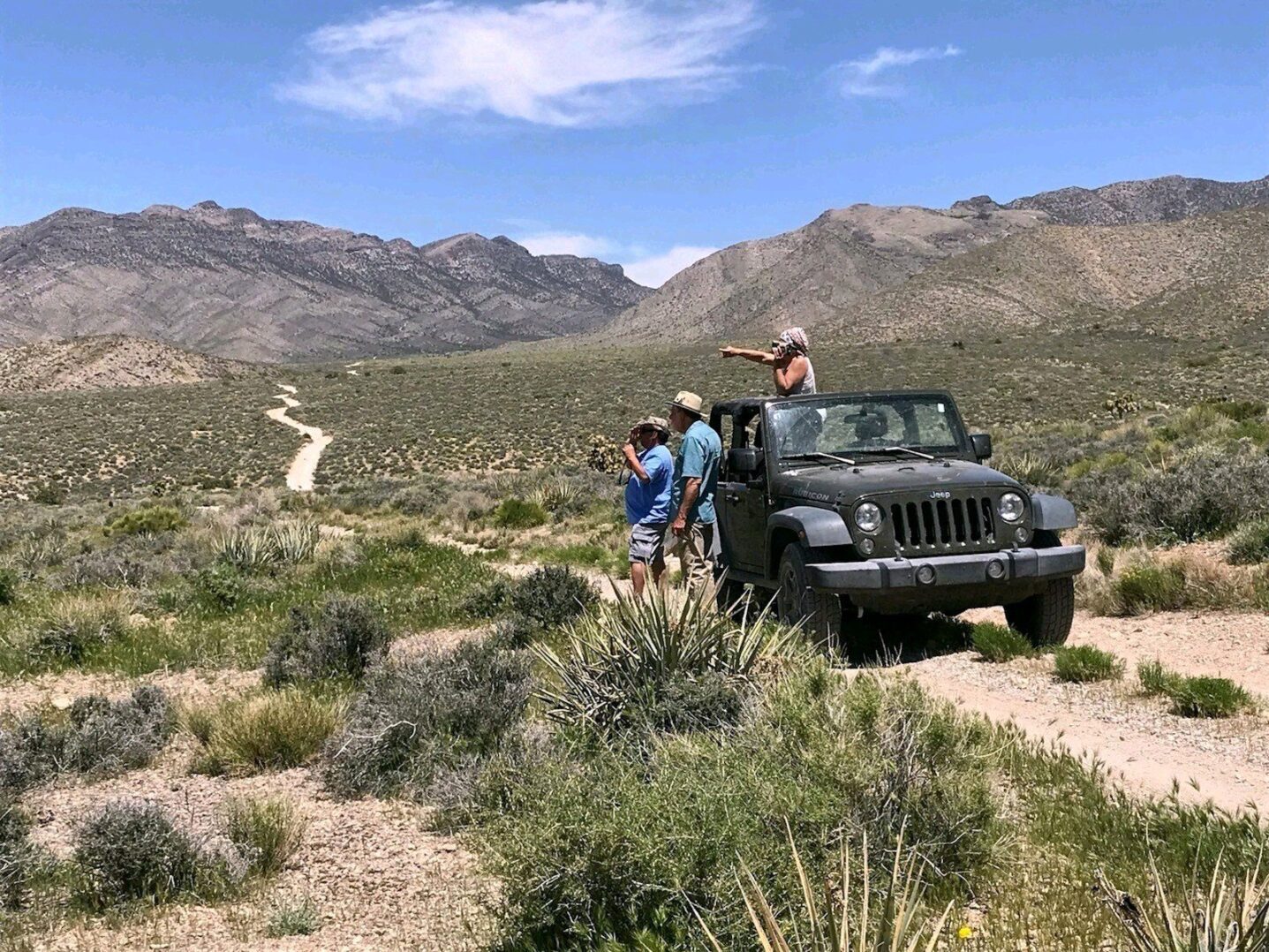
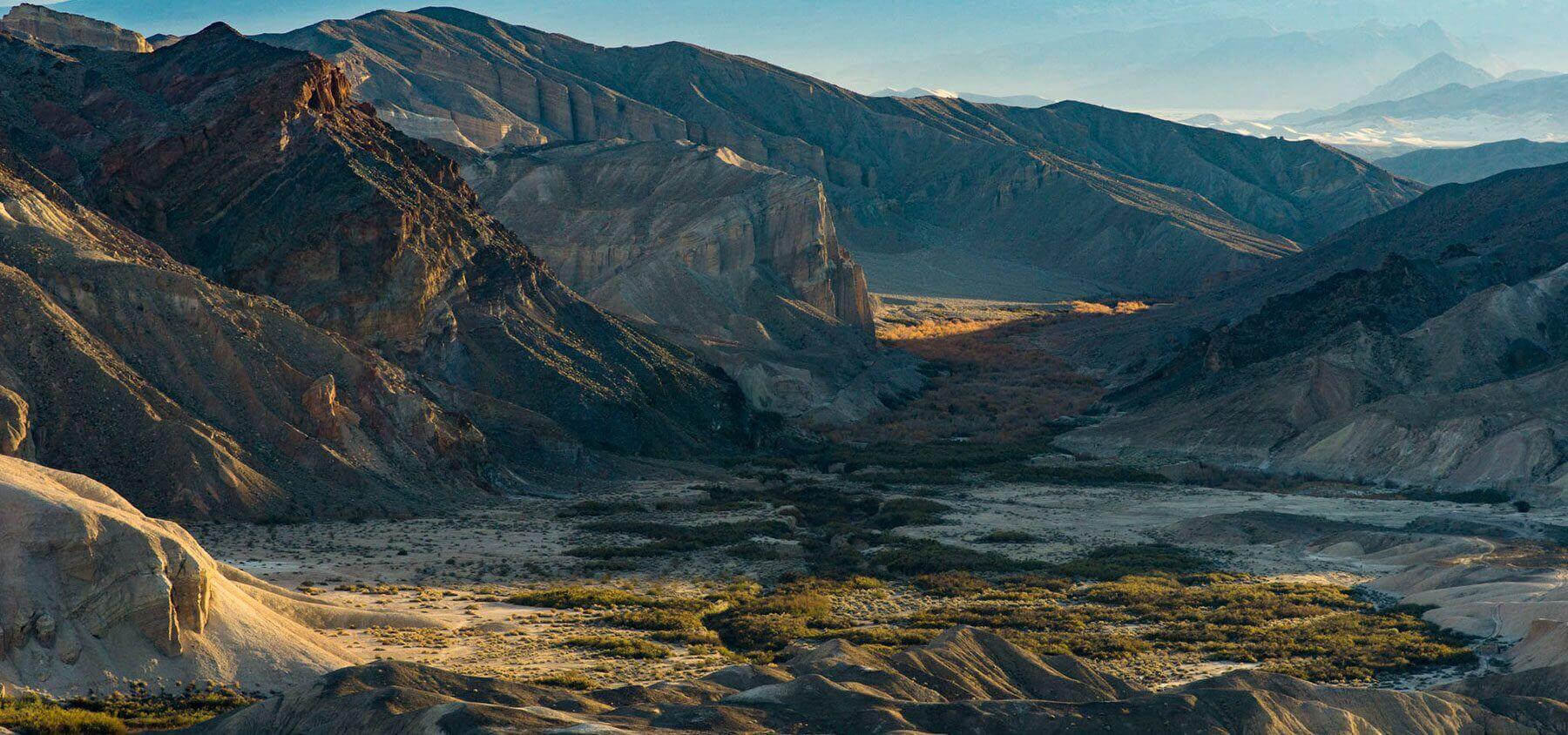
Within the Amargosa Wild and Scenic River corridor near Death Valley stands Rainbow Mountain, a billion-year-old beautiful mess known to geologists as part of the Amargosa Chaos.
Famous now. Photographed. Explained. Pointed at. Interpreted. I go there often to be awed by it.
But the first time I really looked at it, decades ago, it did not awe me. It irritated me.
I knew enough to know forces had shaped it. I knew enough to know the colors and broken bands and impossible angles meant something. But I could not make sense of it. Not even close.
No clue.
The year was 1999. The place was Shoshone, California. The event was the Brown Thanksgiving gathering.
Brian Brown pointed across the room and said:
“See that guy over there? That’s Lauren Wright, the geologist I was telling you about.”
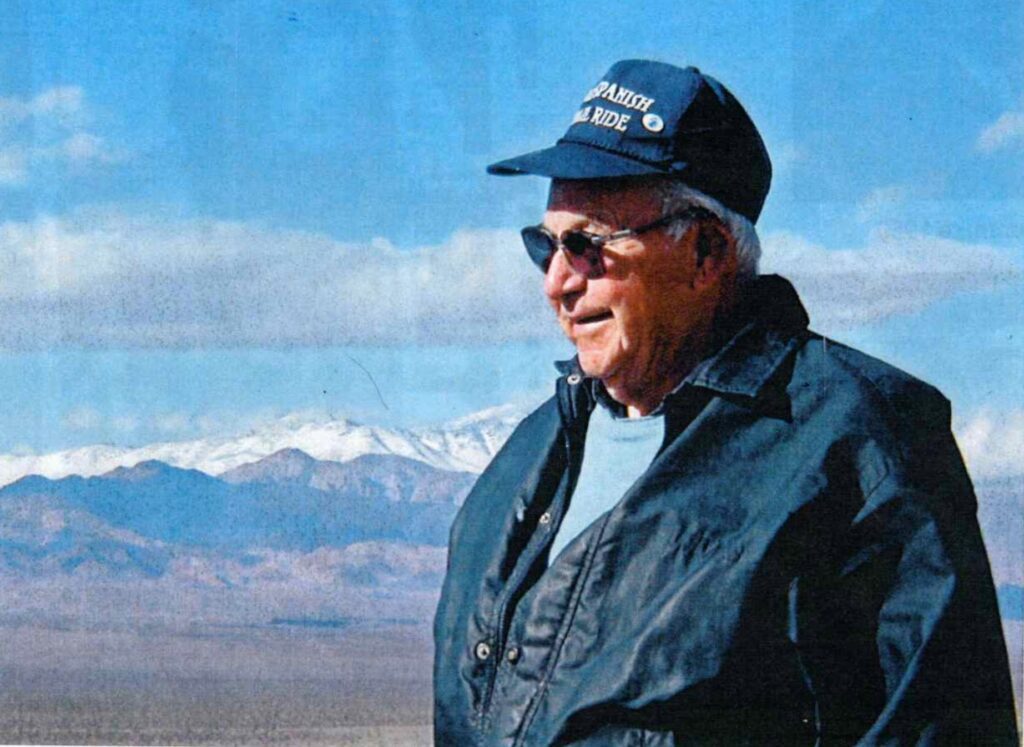
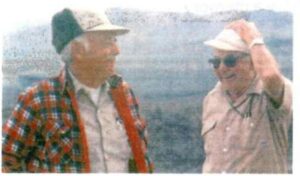
That was how I met Dr. Lauren Wright, one of the foundational voices in Death Valley geology.
The rest of the evening, Dr. Wright sat patiently under my incessant barrage of lame questions about Rainbow Mountain. He smiled knowingly. He laughed heartily. He recited off-color limericks. He quoted from the Darwin Awards.
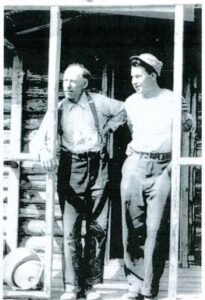
Soon after, Lauren invited me to join a field lecture at Rainbow Mountain so he could explain the stratigraphy of this messy mountain. He and Bennie Troxel had spent decades working in Death Valley country, and their 1984 mapping of the Amargosa Chaos remains part of the region’s geologic foundation.
Even under his expert tutelage — over dinners, field trips, conversations, and repeated attempts to help me see what he saw — I still couldn’t get it.
The mountain remained a gorgeous aggravation.
Then one winter day, I went back alone with my dog, Blue.
I decided I was not coming down until I understood what I was missing.
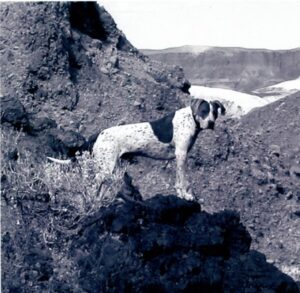
I stared at Rainbow Mountain until my ordinary thoughts failed me.
Then it hit.
Mountains are actually fluid and in constant movement.
They live their lives in deep time.
My lifespan is a blink compared to theirs.
I can’t observe their movement, because my life is too short.
In the flow of deep time, it is actually me that is not moving.
After that, geology stopped being scenery for me. It became a place where the earth had left its inner life exposed. Still speaking.
Later, when I began learning about Snowball Earth and the ancient glacial evidence preserved in this wider Death Valley region, I could finally follow the story. Not completely, maybe. I am not a geologist. But I could feel the size of it. I could feel why professors bring students here. I could feel why a young mind needs to stand in front of stone old enough to make ambition look ridiculous.
That is part of what field learning does.
Recently, Johns Hopkins students who stayed at Cynthia’s Basecamp created a guide to Snowball Earth, for their field project, for me and to share with guests. I loved that. The knowledge came through the field, through their work, through their young eyes, and then folded back into this place for others to use. You can see this gorgeous project here. Story map.
Dr. Lauren Wright gave me more than facts about Rainbow Mountain. He gave me a doorway into deep time.
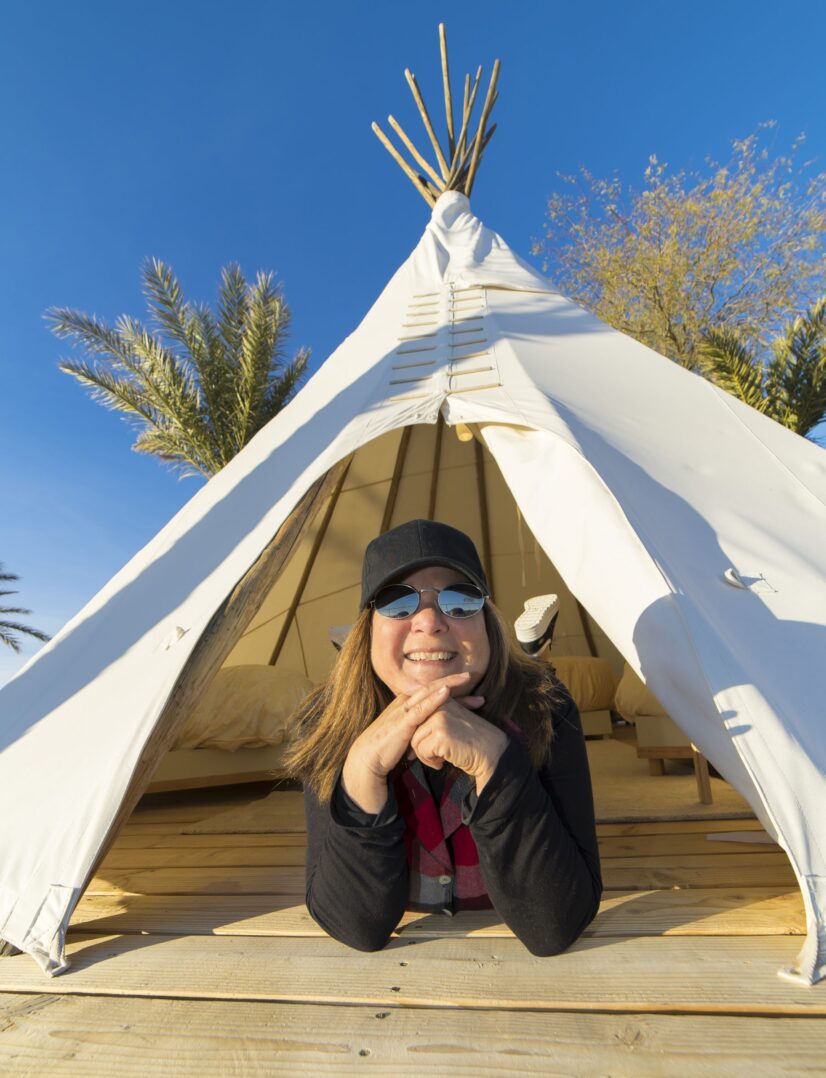
And that is why professors bring their students to Cynthia’s Basecamp for geology field camps near Death Valley — not just for a place to sleep, but for a place where the desert can do what classrooms cannot.
Because this place trains the eye.
It humbles the mind.
And sometimes, if you stay with the confusion long enough, the mountain finally begins to move.